


In the corners of traditional cafes and modern lounges, fragrant wisps of smoke rise from elegant glass containers, carrying with them the scent of history and the flavors of the present. This molasses-based product, which has become an integral part of Arab culture, has a long history spanning centuries—a story of innovation, evolution, and spread across continents.
From the time the first civilizations set foot on Indian soil, to their arrival in the bustling cafes of Istanbul and the vibrant markets of Cairo, molasses has witnessed astonishing development in its production and the diversity of its flavors. Today, more than four centuries after its invention, molasses stands as a testament to human ingenuity in development and innovation.

Chapter One: Historical Roots and Early Origins
Beginnings in ancient India
Historical records indicate that the first seeds of molasses were sown in India during the mid-16th century. At that time, the renowned Indian physician Abu al-Fath al-Jilani was searching for a way to purify tobacco smoke and make it less harmful to health. This innovative physician, who lived in the regions of Rajasthan and Gujarat, devised the first system for passing the smoke through water before inhalation.
The idea was simple yet ingenious: using a coconut shell as a container for water, with a tube inserted through the water to cool and purify the smoke. This invention, which began as a medical attempt to mitigate the harms of tobacco, later became the foundation of the shisha tobacco industry as we know it today.
Spread in Persian civilization
This technique did not remain confined to India for long. Towards the end of the 16th century and the beginning of the 1970s, the idea crossed borders into Persia, where it was enthusiastically adopted by the Safavid Empire. The Persians, known for their love of the arts and refined traditions, called this device "qalyun" and developed it into a part of their social rituals.
In Persian palaces, the qaliyun became a symbol of wealth and elegance. Persian artisans adorned the vessels with intricate designs and precious stones, transforming them from mere smoking implements into works of art that graced royal courts. This aesthetic development significantly contributed to the widespread use of shisha tobacco among the upper classes of Persian society.
Chapter Two: Reaching the Ottoman State
Official entry into Istanbul
At the beginning of the 17th century, specifically around 1603, the Ottoman Empire witnessed a significant event in the history of shisha. Sultan Ahmed I, known for his love of novelty and innovation, issued an official decree introducing the hookah into the Ottoman palace. This imperial decree was not merely an approval of a new device, but rather a formal declaration of the spread of shisha culture throughout the empire.
Development in the Ottoman era
Under the patronage of the Ottoman sultans, the shisha tobacco industry witnessed remarkable technological and aesthetic advancements. Turkish craftsmen, renowned for their skill in metalwork and glassmaking, developed new shapes of vessels and pipes. They also introduced design improvements to make smoking more comfortable and enjoyable.
In Istanbul's bustling markets, shops specializing in selling sweets and related accessories began to appear. These shops not only sold products but also became social hubs where people met to chat and exchange news.
Chapter Three: Spread in Egypt and the Middle East
Access to Egypt
In the mid-17th century, sweets arrived in Egypt in a unique way. They were presented as a gift to the governor, Muhammad Ali Pasha, a diplomatic gesture that demonstrated the sweets' growing acceptance as part of the region's official culture. This valuable gift paved the way for the widespread distribution of sweets throughout Egypt.
Unique Egyptian development
The Egyptians, with their characteristic ingenuity, didn't simply imitate what they had. They began developing new techniques to improve the quality and flavor of their molasses. They replaced the traditional coconut shell with transparent glass containers, allowing users to see the water moving, in addition to making cleaning and maintenance easier.
They also developed new types of metal containers, especially copper and silver, which became symbols of wealth and elegance in Egyptian society. These Egyptian innovations greatly influenced the spread of molasses-based drinks throughout the rest of the Middle East.
Popular cafe culture
Towards the end of the 19th century, Egypt witnessed a new social phenomenon: the proliferation of popular cafes serving sweets. In the streets of Cairo and Alexandria, small cafes flourished, offering tea and coffee with sweets. These cafes became important social hubs, where people gathered to discuss news and political and social events.
The "bubbling" of the shisha, as it was called in the Egyptian dialect, became a familiar sound in the streets of Egyptian cities. This distinctive sound of water moving in the bowl became part of the sonic identity of Egyptian cafes.
Chapter Four: The Flavor Revolution and Modern Development
Creating flavored sweets
The year 1902 marked a significant turning point in the history of molasses tobacco. In Cairo workshops, Egyptian craftsmen developed new blends of flavored tobacco. They added honey, molasses, and dried fruits to create amazing flavors such as apple, melon, and mint. This innovation transformed molasses tobacco from a simple way to smoke tobacco into a complete sensory experience.
Technical improvements
At the beginning of the 20th century, craftsmen introduced significant technical improvements to the design of shisha pipes. They added a "purging port," a small opening in the bowl that allows for better airflow, thus improving the cooling of the smoke and enhancing the flavor. They also refined the bowl's head design to make it more efficient at heating the shisha tobacco evenly.
Chapter Five: The Age of Modern Industry
Transition to industrial production
By the mid-20th century, the molasses industry had undergone a radical transformation from manual production to mechanized manufacturing. Sophisticated machinery was introduced to dry tobacco leaves and mix them with glycerin, honey, and water in precise proportions. This development not only increased production but also improved product quality and flavor consistency.
Variety of flavors
Industrial production has opened up new horizons for flavor diversity. Manufacturers can now produce hundreds of different flavors, from traditional fruits to modern flavors like sweets and beverages. This variety has catered to diverse consumer tastes and contributed to the global spread of sweets.
Quality and safety standards
As the industry developed, the need arose for strict quality and safety standards. Legislation was enacted to monitor the ingredients of molasses tobacco, and specialized laboratories were established to test products before they reached the market. These standards have contributed to building consumer confidence and the sustainable development of the industry.
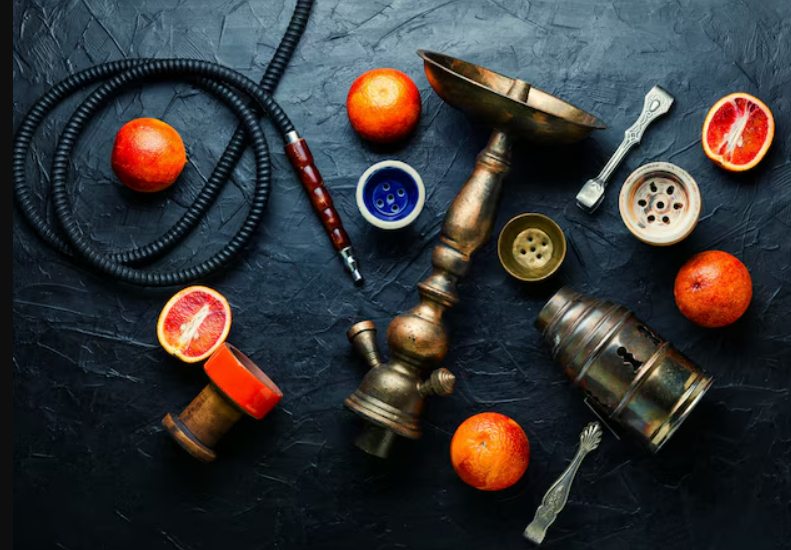
Chapter Six: Sweets in the Kingdom of Saudi Arabia
Early arrival in the Arabian Peninsula
Sweets reached Saudi Arabia at different times, with trade and pilgrimage routes being among the most important means of their spread. Trade caravans coming from the Levant, Iraq, and Egypt brought this new culture with them to the cities of the Hejaz and the eastern regions.
Bedouin and tribal traditions
In Bedouin and tribal societies, sweets acquired a special character distinct from that of urban centers. They were used in tribal gatherings and during evening get-togethers, passed among guests as a symbol of hospitality and genuine Arab generosity. This tradition reinforced the status of sweets in traditional Saudi culture.
The evolution of popular cafes
As Saudi cities developed, traditional cafes began to appear in Mecca, Medina, Jeddah, and Dammam. These cafes became important social centers, especially for pilgrims and travelers who found in them a place to relax and socialize.
Modern Era and Development
With the discovery of oil and the beginning of the modern renaissance in the Kingdom, the molasses industry witnessed significant development. Saudi companies specializing in importing and distributing molasses emerged, and marketing and distribution methods evolved to meet the growing demand.
Contemporary culture and modern lounges
In recent decades, the Kingdom has witnessed a widespread proliferation of modern shisha lounges. These lounges offer a contemporary experience that blends authenticity and modernity, preserving Saudi social traditions while adhering to the latest standards of quality and service.
Regulation and oversight
The Saudi government has implemented strict regulations to monitor the quality of imported and locally produced molasses, and has established clear standards for shops and establishments that offer these products. This regulation has contributed to raising the level of quality and safety in this industry.
Chapter Seven: Modern Technology and Innovation
Advanced fermentation
In the 21st century, advanced fermentation techniques have been introduced into the shisha tobacco industry. These techniques improve the quality and moisture content of the tobacco, and promote more even flavor distribution. They also contribute to extending the product's shelf life and preserving its quality for a longer period.
Packaging and preservation
Manufacturers have developed airtight packaging and advanced wrapping materials to preserve the moisture and flavor of the molasses. These advancements have allowed for the export of molasses to distant markets without compromising quality, contributing to its global popularity.
Digital Marketing
With the rise of the internet and social media, shisha companies have adopted new marketing strategies. They have used digital platforms to reach different age groups and developed innovative marketing campaigns that focus on the social experience of shisha.
Chapter Eight: The Current Situation and Future Trends
Global spread
Today, shisha has become part of the social culture in many countries around the world. From London cafes to New York lounges, shisha has found a place in the hearts of people from diverse cultures. This global reach reflects the power of shisha as a cultural bridge connecting people.
Saudi Arabia's role in global expansion
Saudi Arabia, with its strategic location and economic weight, has played a significant role in the global spread of molasses culture. Through Saudi investments abroad and trade, Saudi flavors and styles have spread to numerous international markets.
Health challenges
With the global spread of molasses, new health challenges have emerged. Health authorities in various countries are working to establish guidelines for safe use, while manufacturers are developing less harmful products that meet modern health standards. In the Kingdom, the Ministry of Health is working to disseminate appropriate health awareness and guidelines.
Continuous Innovation
The molasses industry continues to evolve and innovate. Companies are constantly developing new flavors, improving production techniques, and exploring new packaging and preservation materials. This ongoing innovation ensures that molasses remains a vital and appealing product for new generations.
Conclusion
From a doctor's cottage in India to modern factories around the world, and from the deserts of the Arabian Peninsula to the modern lounges of Riyadh, molasses has traveled a long and arduous journey. This journey, spanning more than four centuries, tells a story of human ingenuity and technological advancement. Molasses has become more than just a commercial product; it has become part of the cultural identity of many peoples, especially in Saudi Arabia, where it is intertwined with Bedouin traditions and authentic Arabian hospitality.
In the Kingdom today, the molasses industry is experiencing rapid growth, blending tradition and modernity in a unique experience that reflects the identity of contemporary Saudi society. From traditional gatherings to modern lounges, molasses remains a symbol of social interaction and connection in Saudi society.
In today's fast-paced world, where distances between people are increasing, shisha tobacco remains a symbol of gathering and social connection. With every puff of fragrant smoke, shisha carries with it the essence of history and the spirit of the present, promising a future brimming with innovation and progress.
The history of molasses is the history of human civilization itself, marked by continuous innovation and development, and the ability to adapt to temporal and cultural changes. As we look to the future from the heart of Saudi Arabia, we can be confident that molasses will continue to evolve and flourish, preserving its rich heritage and striving for new horizons of creativity and excellence.
The references used in this article are taken from documented historical sources and academic research specializing in the history and development of the confectionery industry across different civilizations.